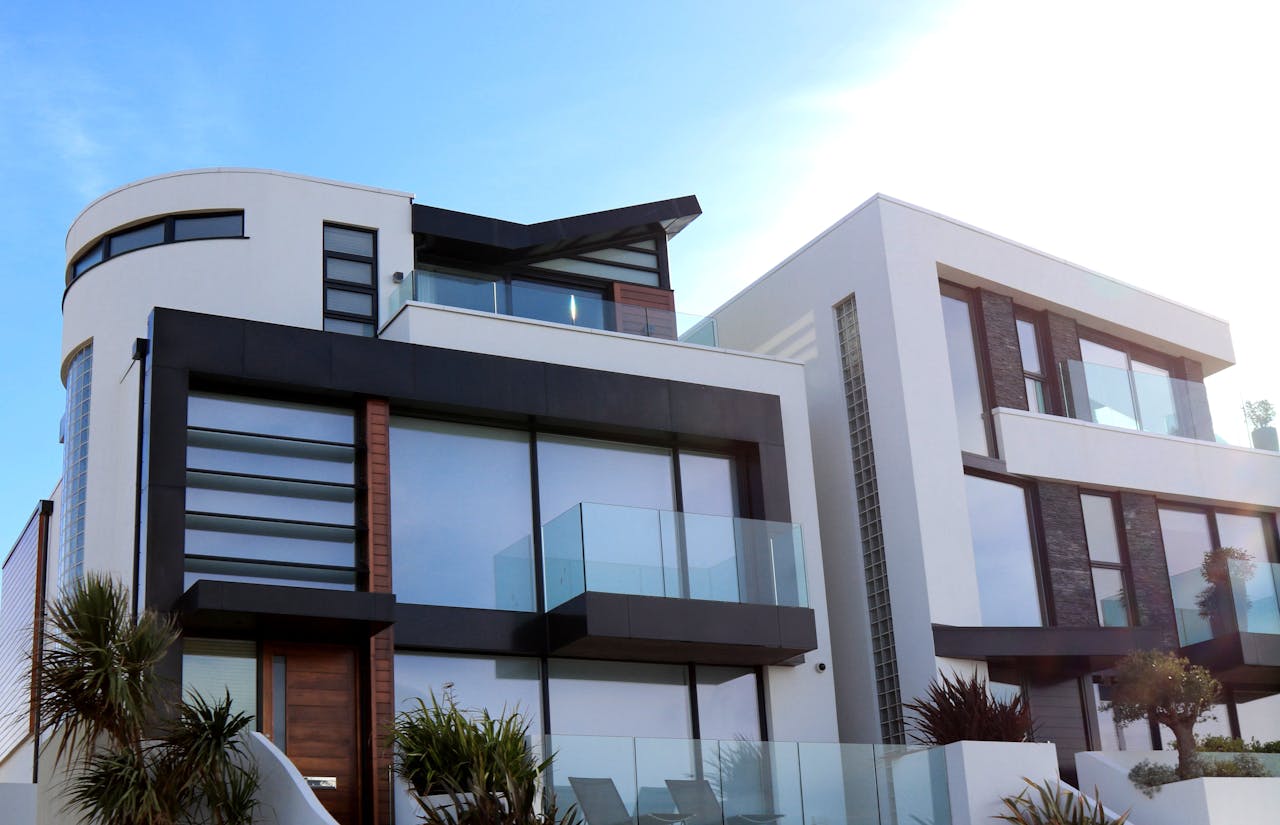
As the Perth summer hits its peak, the familiar hum of air conditioning units can be heard across the suburbs. For many homeowners in Cockburn and the greater Perth area, the battle against the intense Western Australian sun often results in skyrocketing electricity bills. While cranking up the AC is a natural reaction, it is a reactive measure rather than a preventative one. Stopping the heat before it penetrates your glass is far more efficient than trying to cool it down afterwards.
In this guide, we explore the long-term efficiency of house window tinting Perth, specifically looking at how advanced films can reject solar energy and reduce your reliance on artificial cooling. We will also break down the factors that influence pricing, serving as a guide similar to a home window tint cost calculator, and discuss the various options for glass tinting Perth residents can utilise to balance privacy, light, and thermal comfort.
The Physics of Heat: Why Your Home Gets So Hot
To understand the value of window film, we must first look at how heat enters your home. Standard residential glass offers very little resistance to solar energy. The sun’s energy is transmitted through the glass in three forms: visible light, infrared radiation (which we feel as heat), and ultraviolet (UV) rays.
Once this energy passes through your windows, it is absorbed by your walls, flooring, and furniture, which then radiate that heat back into the room. This creates a “greenhouse effect,” trapping the heat inside and forcing your air conditioning system to work overtime to maintain a comfortable temperature.
How Professional Tinting Changes the Equation
High-quality architectural window films are designed to interrupt this process. By applying a specialised layer to your existing glass, we can:
- Reflect Solar Energy: Rejection films bounce a significant percentage of solar radiation away from the glass before it enters the home.
- Absorb Heat: Ceramic and non-reflective films absorb heat at the glass surface, dissipating it outwards rather than allowing it to transmit inwards.
- Reduce Glare: By filtering visible light, tinting reduces the harsh glare that makes it difficult to watch TV or work on screens during the day.
Is House Window Tinting Perth the Best Investment for Energy Savings?
When considering home improvements for energy efficiency, insulation and solar panels often get the most attention. However, house window tinting Perth is frequently the most cost-effective “first line of defence.”
The ROI on Cooling Costs
Studies have shown that untreated windows can account for up to 30% of a home’s cooling load. By installing a premium solar film, you can reject up to 70-80% of incoming solar heat. This drastic reduction means your air conditioner doesn’t have to cycle as frequently or run as hard to reach your thermostat’s set point.
For a standard Perth home facing the brunt of the afternoon sun, this can translate into significant savings on quarterly electricity bills. Unlike mechanical cooling systems that depreciate and require maintenance, high-quality window film is a passive energy-saving measure that works consistently for decades with no ongoing running costs.
Consistency in Temperature
Beyond the financial savings, there is the factor of comfort. Without tint, specific rooms in the house (usually west or north-facing) can become “hot spots” that are unusable during the day. Professional tinting helps equalise the temperature throughout the building, eliminating these hot zones and ensuring your entire floor plan is liveable, even during a heatwave.
Estimating Your Investment: A Home Window Tint Cost Calculator Guide
One of the most common questions we receive at Solartint Cockburn is regarding the cost of installation. While we always recommend a precise on-site measurement for an accurate quote, understanding the factors involved can act as a rough home window tint cost calculator to help you budget.
Factors Influencing the Price
Unlike buying a pre-priced product off a shelf, residential tinting is a service tailored to the specific dimensions and conditions of your property.
- Total Square Meterage: The primary driver of cost is the amount of glass to be covered. Larger sliding doors and floor-to-ceiling windows will naturally require more material and labour.
- Type of Film Selected: There is a wide variance in material costs. A standard dyed film is more affordable but offers less heat rejection. Dual-reflective metallised films are mid-range, while nano-ceramic films—which offer the highest heat rejection without darkening the room—are at the premium end of the spectrum.
- Access and Difficulty: Windows that require scaffolding, ladders, or are difficult to reach due to furniture or landscaping may incur additional labour costs compared to ground-level, easily accessible glass.
- Glass Condition: If old film needs to be removed prior to the new installation, this adds time and labour to the project.
Why Quality Matters Over the “Cheapest” Quote
It can be tempting to choose the lowest price per square meter, but in the tinting industry, you truly get what you pay for. Budget films often use unstable dyes that turn purple or bubble within a few years of exposure to the harsh WA sun.
Investing in a premium film from a reputable installer ensures you receive a manufacturer-backed warranty (often lifetime for residential applications) and an adhesive system designed to withstand extreme thermal stress without failing.
Beyond Cooling: Protection for Your Interiors
While energy bills are a major concern, the sun damages more than just your bank balance. UV radiation is the primary cause of fading in interior furnishings.
UV Protection for Flooring and Furniture
Perth’s UV index is notoriously high. Over time, untreated glass allows UV rays to bleach expensive timber floorboards, fade leather sofas, and deteriorate curtains and blinds.
- 99% UV Rejection: Virtually all professional films we install block 99% of harmful UV rays.
- Preserving Value: Think of window tint as a sunscreen for your home’s interior. It significantly slows the fading process, protecting the capital investment you have made in your interior design and furnishings.
- Health Benefits: By blocking UV, you are also reducing skin exposure for you and your family while you relax indoors.
Aesthetics and Privacy: Options for Glass Tinting Perth Residents Love
Functionality is crucial, but aesthetics are equally important. You want your home to look stylish, not like an office block. Fortunately, modern glass tinting Perth options provide a variety of looks to suit different architectural styles.
Dual-Reflective Films
These are popular for modern homes. They offer a reflective outer appearance during the day, which provides excellent privacy—neighbours can’t see in, but you can see out clearly. The “dual” aspect means the interior side is less reflective, so you don’t just see a mirror reflection of yourself when looking out at night.
Ceramic and Neutral Films
For homeowners who love natural light and do not want to alter the external appearance of their facade, ceramic films are the ideal solution. These films use nanotechnology to target infrared heat specifically while remaining virtually invisible to the naked eye. They are perfect for heritage homes or strata complexes with strict appearance bylaws.
Frosting and Decorative Films
For bathrooms, front entryways, or overlooked side windows, privacy is the priority. Frosted films allow light to enter while completely obscuring the view, eliminating the need for dusty blinds or curtains in wet areas.
The Solartint Cockburn Difference: Professional Installation
Securing a high-quality film is only half the battle; the installation determines the longevity and finish of the product. DIY tint kits often lead to creases, dust contamination, and peeling edges.
What to Expect During Installation
When you engage Solartint Cockburn, you are hiring authorised professionals who treat your home with respect.
- Consultation: We assess your glass type (laminated, toughened, or float) to ensure the film selected is thermal-safe and compatible.
- Preparation: We meticulously clean the glass using professional-grade solutions and scrapers to remove invisible debris, paint specks, or silicone that could cause bubbling.
- Application: We use specialised slip solutions and squeegees to apply the film, ensuring a contaminant-free bond between the film and the glass.
- Curing: We provide clear instructions on the curing time—the period required for the moisture to evaporate and the adhesive to reach full strength.
Conclusion
Investing in residential window tinting is one of the smartest decisions a Perth homeowner can make. It offers an immediate reduction in heat transfer, lowers your summer cooling costs, protects your valuable interiors from UV damage, and adds a layer of privacy to your living space.
Don’t wait for the next heatwave to overwhelm your air conditioner. Prioritise efficiency and comfort today.
Ready to cool down your home and lower your bills? Contact Solartint Cockburn today for a free on-site measure and quote. Let our experts help you find the perfect film for your needs.